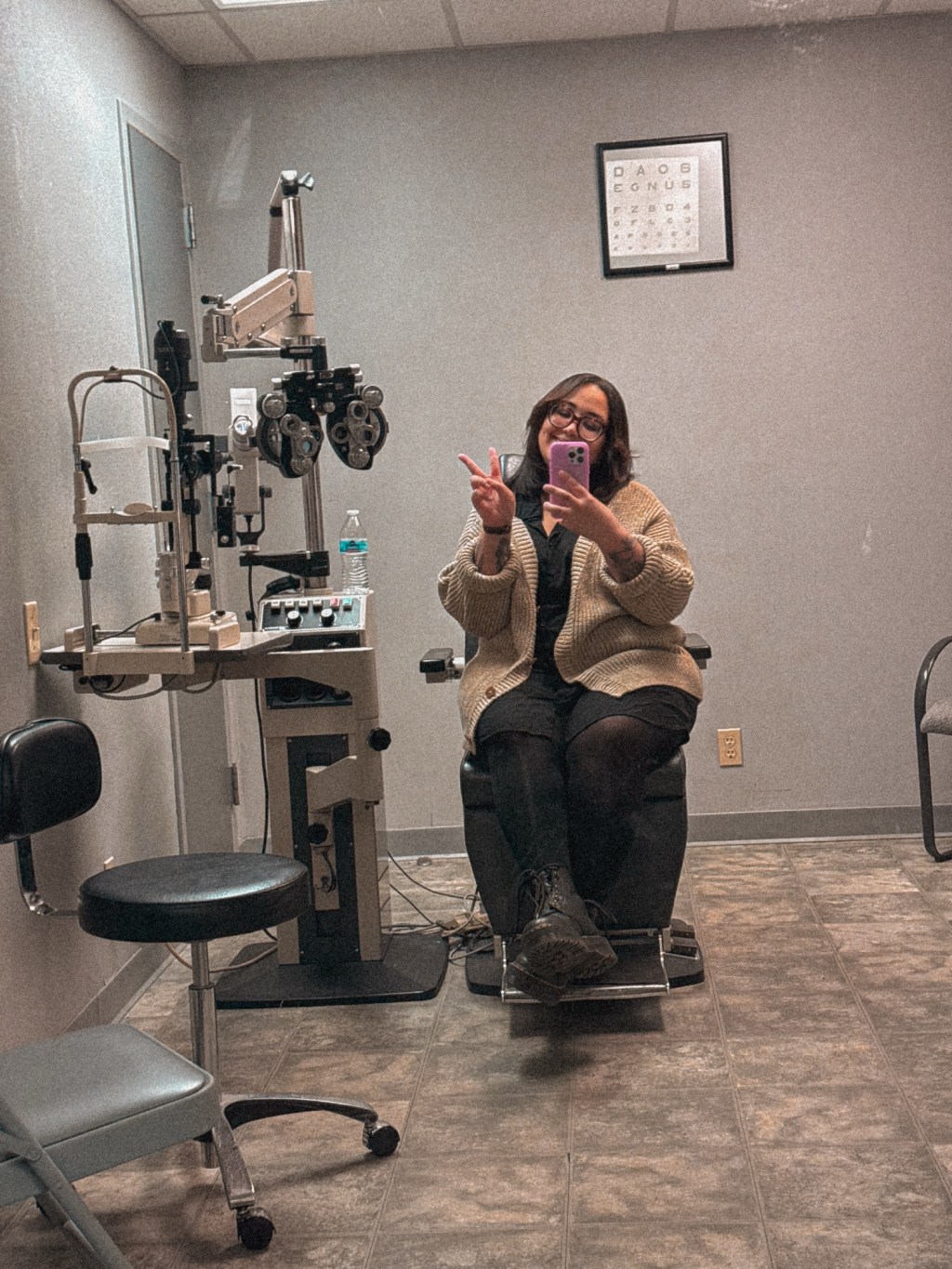
One of the most intimidating waves of my life hit in the form of idiopathic intracranial hypertension (IIH). If you’ve never heard of it, you probably don’t know the fear, the sleepless nights, the endless Google rabbit holes. But if you have, you know the anxiety, the headaches, and the moments where your own body feels like a stranger. My journey with IIH has been traumatic, yes, but it’s also been transformative. It’s taught me resilience, mindfulness, and the value of seeing each day as a gift.
What IIH Feels Like
For those who don’t know, IIH is when the pressure in your cerebrospinal fluid rises without a clear cause. The effects are brutal: pounding headaches, nausea, dizziness, and in some cases, papilledema, or swelling of the optic nerve. For me, that meant the terrifying thought that I could lose my eyesight.
The symptoms hit like a migraine…but worse. I had nausea, pressure that pulsed with each heartbeat, and a throbbing headache that felt like it owned my skull. I’d worked in advertising for years, so stress wasn’t new, but this wasn’t “stress.” It was my body screaming, “Slow the fuck down.” The unknown made it worse. Every night spent researching, every morning wondering if my vision would be okay, every doctor’s appointment a reminder that I might not recognize myself again.
The Diagnosis and Early Fear
After a blackout landed me in the ER, I found myself chasing answers— neurologists, ophthalmologists, specialists who could help. Honestly, I wasn’t thinking strategically; I was surviving. Then, finally, I got a diagnosis: IIH. Relief mixed with fear. The relentless headaches now had a name, but with that name came lumbar punctures, high-dose Diamox, and a laundry list of procedures. It was physical pain and emotional exhaustion all rolled into one.
If you’re asking, “Is IIH life-threatening?”— it can be serious, especially if untreated, but with proper care it’s usually manageable. The real risk? Your vision. That’s why regular ophthalmology appointments and early diagnosis are non-negotiable.
Taking Back Control
Medicine gave me tools, but I found peace in lifestyle medicine. Healing isn’t only procedures; it’s daily choices. Anti-inflammatory foods, movement, mindfulness, and slow living became my anchors.
IIH doesn’t have one clear cause, but doctors often point to stress, weight, or medication reactions. I couldn’t control everything, but I could control my habits, my stress, and my mindset. Slowly, my body healed. Weekly doctor visits became yearly check-ups. Small victories, but huge for my sanity.
One appointment sticks in my mind: my ophthalmologist pointed at scans of my optic nerves and said, “Trauma leaves scars, but they are reminders of strength. They tell a story of survival, not weakness.” To this day, I keep thinking about that when fear creeps in.
Living With IIH Every Day
Some of the questions I get most often are: What are the symptoms? Can lifestyle changes help? The answer: yes, they do. Headaches, dizziness, nausea, vision changes — these are all real. But mindful breathing, slow living, anti-inflammatory foods, and gentle movement gave me a sense of agency. They didn’t replace treatment, but they made me feel like I had a hand in my own recovery.
I also had to learn to celebrate small wins: a quiet walk, journaling, a moment of stillness. IIH forced me to slow down and pay attention to my body, and in doing so, I started noticing life in a way I never had before.
How IIH Changed Me
The anxiety faded slowly. I stopped obsessing over “shoulda, coulda, woulda” and started focusing on what I could control: my attitude, my daily rituals, my health. I learned to see each day as a gift. Life is fragile, and your body is the only one you get. Take care of it.
IIH was brutal. It was scary. But it also taught me resilience, patience, and the courage to live fully, even when life feels out of control.
 The Girl in Gucci Glasses
Leave a comment